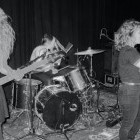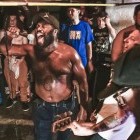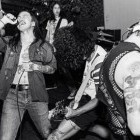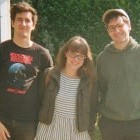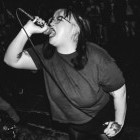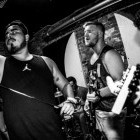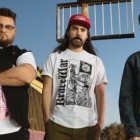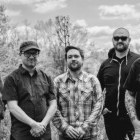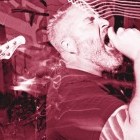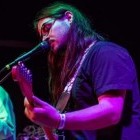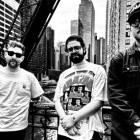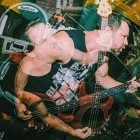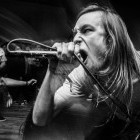
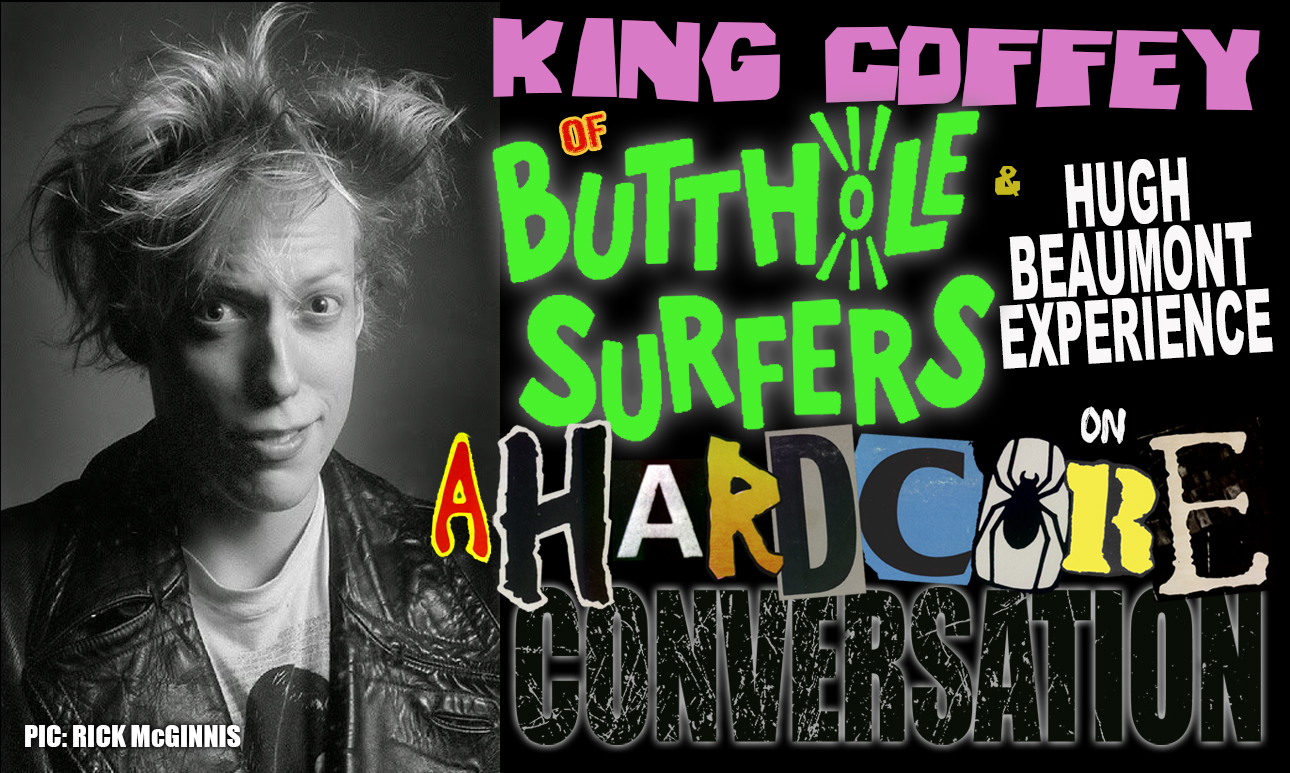
Everyone knows the Butthole Surfers, or the “BH Surfers,” depending on where you first heard of them, but a lot of people might not know about their connection to Hardcore.
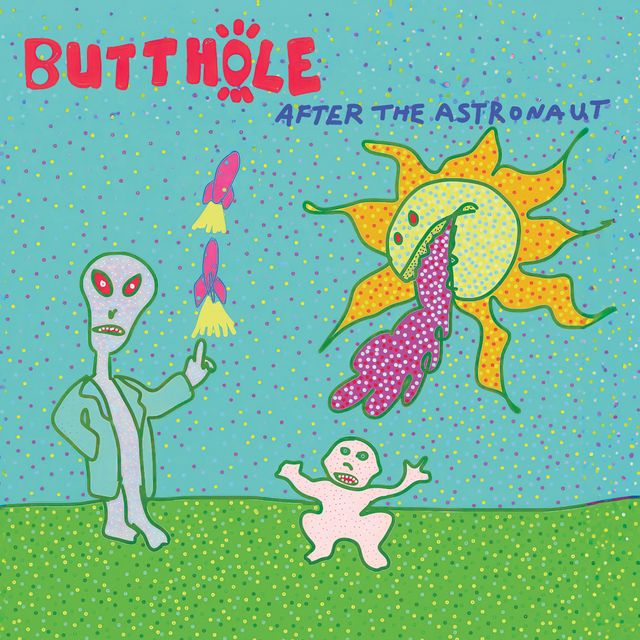
I sat down and spoke with drummer King Coffey about old-school hardcore and the Butthole’s new/old album, After the Astronaut, which is finally being released as the band intended, nearly 30 years after they recorded it. The album will be released via Sunset Blvd Records on June 26.
This interview is also available to watch on the YouTube version of A Hardcore Conversation here. Please feel free to like, subscribe, and all that good stuff.
Once again, A Hardcore Conversation continues!
How's it going, man?
Doing great. Where are you?
I'm actually in Pennsylvania over here on the East Coast.
How's it going in Pennsylvania?
Beautiful day, slightly on the hot side, but I'll take it. Are you out in Texas, or where are you these days?
Yeah, I'm in Austin. I've been here, moved here in '83. So yeah, I've been here for a while.
Yeah. So '83, I know you're not from Austin originally, right? A different part of Texas...
I'm from Fort Worth. Dallas's inbred cousin next door. That's where I'm from.
I want to get to you guys' new/old record, but I also wanted to, being that my channel and my whole interview thing is called A Hardcore Conversation, I kind of wanted to talk about some of your roots in Hardcore, which I believe you have, and maybe a lot of people don't know that.
Well, I would rather talk about Hardcore than that record (laughs), so it's fine by me. But yeah, I was there for the first wave of American Hardcore when punk began to change into hardcore, and that was exciting. When I was in high school, I had to rewind a bit. When I got into punk rock, I was maybe 15 or so in high school in Fort Worth, Texas. This was before the internet; it was really hard to find out what was going on, but one band that we knew of was the Sex Pistols, and they actually came through Dallas; they played Dallas in '78.
Were you there?
Well, I was too young, and they were playing at a bar, so I couldn't get in. I'll fast forward, Gibby (Haynes) and Paul (Leary) from the Buttholes actually saw the Sex Pistols in San Antonio. But this is before I met Gibby and Paul, obviously. So anyway, I regretted that. I couldn't see the Sex Pistols, but I was all in. And I joined a high school punk rock band called the Hugh Beaumont Experience, and what we knew of punk rock to us was the Sex Pistols.
We didn't know what was happening in L.A. or anywhere; all we knew was the Sex Pistols, and to the point where we were all from Fort Worth, but to the point where the singer was singing with a Cockney accent, trying to be like Johnny Rotten. That's just what punk rock sounded like. So during one of our first shows, we played with a hardcore band called The Militants. They never put out a record, but they were a really good band. It was the first time I'd ever seen hardcore. And it was just so fast. It was great. And I kind of realized, oh, this is what punk rock is now. Okay, okay.
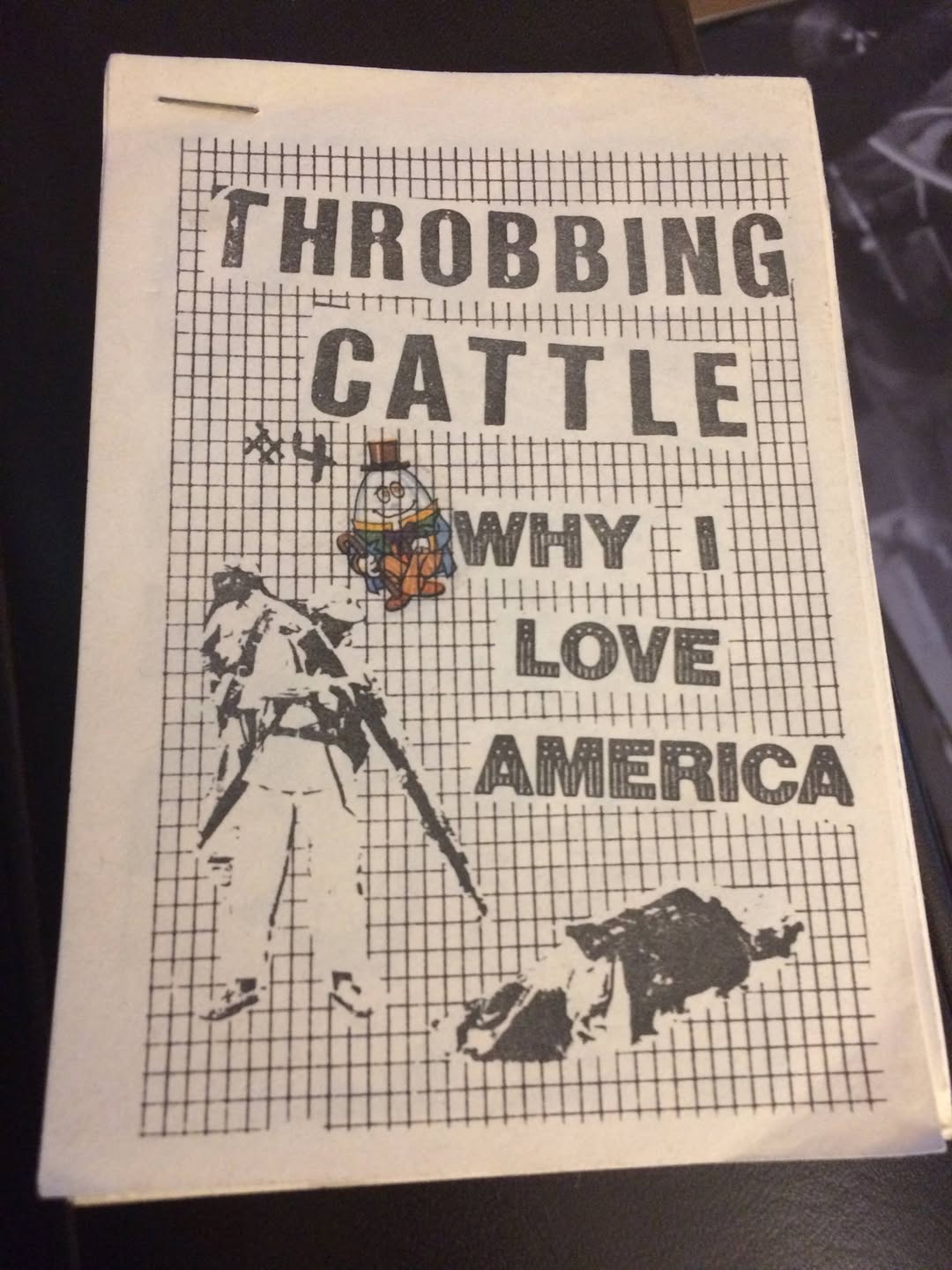
Around that time, I also began putting out a fanzine called Throbbing Cattle. And what you did back then was trade tapes with people around the country. Since I had an address in Texas, I would get tapes and, in turn, make tapes. So we were all exchanging 20th- and 40th-generation cassette tapes of various bands we'd heard of, and it was through that I first heard, say, all the DC bands. First time I heard, say, Bad Brains and stuff. And again, very few bands toured back then. Very few bands even had records. It was all pre-Internet. It was all kind of word-of-mouth. You know, billionth-generation cassette tapes, you were kind of working with.
So we knew we had a community, even if it was done through the U.S. Postal Service. But no, it was exciting. And I wrote a fan letter to Hüsker Dü right when Land Speed Record came out, and I had never heard a record like that. For people who think of Hüsker Dü, they think of a pop band. They kind of maybe influenced bands like Green Day. In some ways, that was kind of like Hüsker Dü's punk rebellion: going from hardcore to start playing pop because they're pop music fans.
But anyway, Hüsker Dü were lightning fast. So cool. I wrote them a fan letter. They said I wrote them the first-ever fan letter they'd ever gotten. I convinced them to come to Texas and play. They wanted to anyway. I was their roadie for some Texas shows. I was able to see and experience Austin. I hung out with them in Dallas. I convinced Bob Mould to come back and record the Hugh Beaumont Experience, our band.
Did he produce that?
Yeah, yeah. He made a record. You know, punks back then were so bored, and I think Bob had an interest in producing anyway. It's like, sure, I'll come down and record you. So what the Hugh Beaumont Experience kind of wound up doing is that we just took all these Sex Pistols songs and sped them up. Just put them at a hardcore tempo. But that's how I learned how to play drums. Like, I could do that. That's still my default way of thinking about drumming. I'm kind of like a wind-up monkey, just wind me up, and I can play really fast.
(Laughs) That's awesome! So technically, hardcore is what got you into drumming a little bit. I was going to ask you how you got into drumming, but...
Yeah, yeah. Well, I mean, I wanted to be in a band. I wanted to be in a punk band. I had a drum kit. We played a show. I somehow lost the kick pedal, which made a kick drum kind of pointless. I couldn't afford to buy a new kick pedal, and we had a show coming up. So I had to improvise, and I kind of realized, wait a second, with hardcore, it's this...oompa oompa I mean, it's kind of fast polka music in a way.
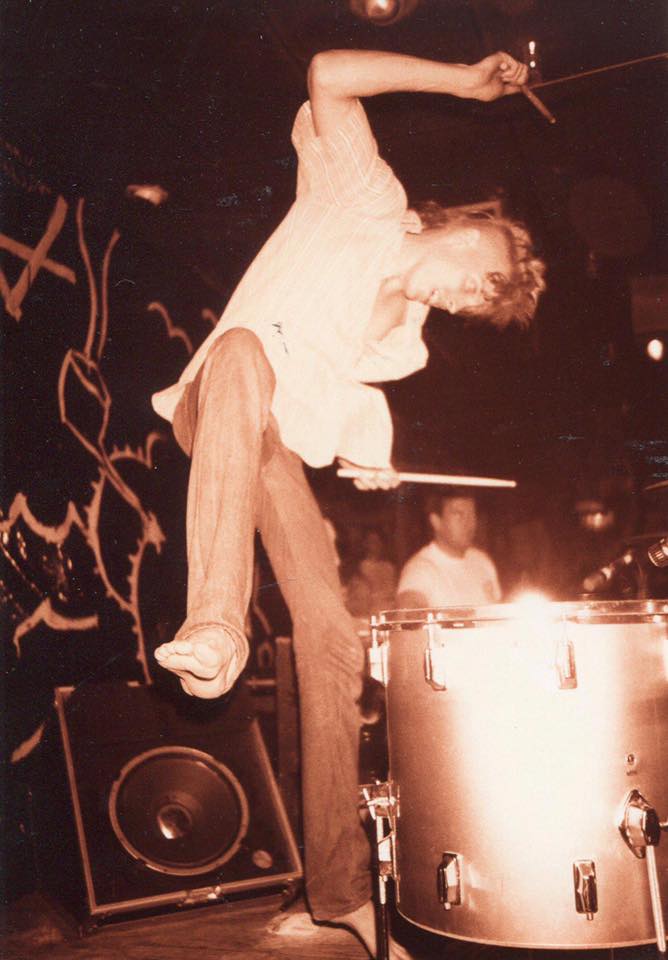
So I realized I could get by by just playing on one floor tom, one snare, and one cymbal. It was really minimal. But it totally worked for what we were doing, and it was just so, like... unusual. I never saw a drummer do that. Oh, let's do it! And it worked, it was fun. Later, I kind of took that style to the Butthole Surfers when I joined them. I did add an extra; I had two floor toms. It was a process of me beginning to slowly sell out (laughs), where I got two floor toms and one snare. But I was able to do more tom work that way.
Did you ever bring a kick drum back?
Eventually. After a few years of standing up with the Butthole Surfers, I got kind of bored with that, and plus, we were kind of playing more ambitiously. Honestly, I just kind of got bored with what you could do with three drums. It was like, well, what can you do with four drums? Plus, I was getting older, and I had to sit down.
Okay. So were you guys friends with the Big Boys and stuff like that in Austin?
Oh yeah. I mean, I think we kind of took it for granted back then, but looking back, it was amazing to be in Austin and to have the Big Boys and the Dicks being our two main bands, and both bands were just incredible. The Big Boys kind of felt like a great example for the rest of us, as far as, every time they'd play, invariably Biscuit (Big Boys singer) would conclude the show with, "We're the Big Boys, now go start your own band!" And a lot of people took that to heart.
You know, it's like, okay, let's start a band! And the bands that came in the wake of bands like The Big Boys and Dicks, they were all kind of diverse. It wasn't just hardcore. It wasn't just punk rock. You had artiness. You had some folk people. I mean, the Austin scene back then was so large-brained and, like, so accepting of it all in a way. If you went to a punk show, you're considered a punk even if you didn't really play punk music. So it was pretty exciting.
Plus, we had bands like The Offenders and Scratch Acid, who kind of got their start around the same time as The Butthole Surfers. So Austin also had a really strong scene, but like, all of Texas did too. Really Red in Houston were absolutely fantastic. In Dallas, the band I saw the most was Stick Men with Ray Guns, who weren't a hardcore band, but they were hardcore. I mean, they were intense.
Okay, vaguely, I kind of know that name, but I don't really know anything about that. That's cool.
Well, you should track down a couple of compilation records that have come out since then, and in some ways, I mean, they get compared to Flipper, I guess, but they were a lot scarier than Flipper. I mean, they were just...they were scary. Yet I loved them, and it was probably unhealthy for someone like me and all my little teenage friends to be following around Stick Men with Ray Guns like little puppy dogs. Like, Oh, these guys are the best!
But again, I mean, it was a truly exciting time for music, and I was all in, you know? Plus, around that time, bands started touring more and more. By '83, right when I joined the Buttholes, I saw Black Flag and Minor Threat come through, and Hüsker Dü had been coming through a few times.
READ ALSO: Circle Jerks Bassist Zander Schloss on Repo Man, Working with Joe Strummer + Much More
I think the Misfits might have even made it through at one point. I'm not sure.
Yeah, the Misfits played. It was like the loudest show that anyone had ever encountered. It was like standing next to some 747s.
(Laughs) With a drumbeat.
Yeah, yeah, yeah. With Robo. Robo was playing drums for the Misfits back then. So yeah, it was fun.
Yeah, that's pretty cool, man. So what was Throbbing Cattle like? Did it cover punk bands? I couldn't really find much about it online.
Yeah, I mostly did it in typing class.
Oh, cool.
Well, is it cool? I don't know.
Well, at least you were utilizing the time for something useful like that, you know?
(Laughs) Well, yeah, I mean, I didn't have a typewriter at home. It's like this is my chance to actually, and it was before computers, before you could print out, I mean, like lay out anything on the computer, but I did have access to a typewriter in typing class, and I would try to knock out my assignments quickly and then write, anything. And a lot of times, what I did was just review my teachers.
Nice.
Instead of doing music reviews, I'd just review my teachers, or the latest episode of All My Children, or whatever. It's almost anything but music. It was really just an excuse to have a fanzine and really stay in contact with other punks and other fanzines.
Yeah, did any of your teachers ever get hold of it?
Uh, yes. Texas Monthly back then actually ran a feature on punk rock fanzines, and for whatever reason, they were mostly run by high school kids like me. And usually in smaller outposts, like, say, Lubbock, Abilene, El Paso, and stuff. So again, these were all kids, all trying to reach out to the real music scene. The big city of Austin, or something.
But Texas Monthly printed a few lines of my review of Mrs. McClendon, my typing teacher, and actually contacted her for a rebuttal; she said she disagreed with everything in the review. So my first negative review, I guess, I ever got. But by that point, I'd already graduated from the class and, you know, I didn't care.
So no reprisals. Do you remember what you said about her?
Mostly, I just talked about how pointless the class was. She was also my English teacher, and we didn't learn any English, as you can probably tell by my grammar. Instead, she was talking about films like Mommy Dearest. She was just rattling. She was talking about pop culture, pop events.
That's cool.
Nobody wanted to learn. Nobody wanted to teach, I guess. It was kind of glorified babysitting. So I kind of called her out on it, but then again, what kind of nerd actually wants to learn in school?
(Laughs) I was going to say, I mean, Mommy Dearest is actually kind of a classic if you ask me.
Oh, no, I'm grateful. I probably learned more from Ms. McClendon than I gave her credit for. So five stars and two thumbs up from me on Mrs. McClendon.
Nice, nice. Hopefully she's watching this now. So how did you end up hooking up with the Butthole Surfers then?
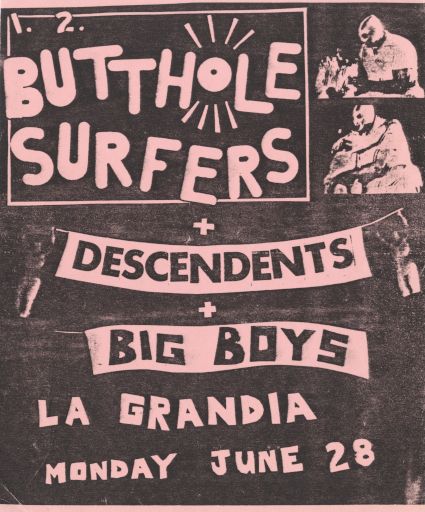
They were basically my favorite band. And I remember the first time I came to Austin, I took a Greyhound bus down and put my stuff in the locker there at the bus station. Back then, the bus station was downtown, and I knew that the Buttholes were playing a show not too far away, also downtown, at the Ritz. So I walked in, and it was like, okay, they were playing. I could tell that one, they were scary. I mean, like Paul kept staring up at the ceiling. Gibby was a mess. I mean, just with clothespins in his hair. They were playing a saxophone.
I thought these guys were supposed to be a hardcore band? I mean, this is not hardcore! And then I realized they were playing a song called "DOA" by the band Bloodrock. And Bloodrock was an early '70s acid rock band from Fort Worth. So I love that song. This band was trying to do a sincere version of this ridiculous song. They weren't trying to speed it up. They weren't trying to make it punk rock. I don't think they were even trying to do it ironically. They just liked the song, and they tried their best to play it. And they were kind of collapsing while they were doing it.
Perfect.
Okay, these guys are cool. Then, a bit later on, that was the Butthole Surfers' farewell show. They were leaving Texas for California to make it big. As soon as they got to California, uh, it was just one disaster after another, and they came home about a month later with their tails between their legs. Although they were able to play for Jello Biafra, who asked them to make a record for Alternative Tentacles. So hey, that's a pretty good bonus.
Okay, yeah. I was going to ask you how you guys ended up hooking up with him and AT.
Yeah. So the band kind of limped home to try to make a record. The thing was, they didn't have, the band broke up. The band broke up as soon as it got back to Texas, and so it's just Gibby and Paul. They tried playing a few shows with a few random drummers, but couldn't find one who was into it. I mean, they would find good musicians who really weren't into punk rock, and some punk would throw a bottle. I was at a show where the Buttholes were playing, and this guy threw a bottle.
It hit the drummer square on the head. He stopped playing, the show’s over, and he quit the band. It's understandable, but as soon as it became clear that the drummer had left the band, I let it be known to Gibby and Paul that...people can hit me with a beer bottle. I don't care, I'd love to play for you guys. And just because I expressed even an iota of enthusiasm, that's how I got an invitation to play with the band. Not that I was a good drummer. I was just simply willing to. That was kind of like all that was needed.
"I'd take a beer bottle for you guys". That's cool, actually. That's awesome. So how did you guys develop the sound? Obviously, the Butthole Surfers have a pretty unique sound, especially back then. Was that just their genuine selves? Did you guys talk about what you wanted it to sound like? How did that happen?
We never talked or plotted out anything. It all just kind of happened. But I think what happened for us is that we came from the hardcore scene, and real quickly, the hardcore scene got really narrow-minded, and everything was the same. I mean, at one point, you can only play so fast, and it's like all these bands were just clones of each other.
Hardcore was becoming what I thought punk was out to destroy: conformity. And all these bands are so similar to each other. So I think to a large degree we were kind of reacting against that by intentionally not playing hardcore, and someone like Paul and Gibby, too, for that matter, but especially Paul, they had a deep classic rock knowledge, which they could draw on. But Paul could also play it as well. He learned to play by playing along to Grand Funk Railroad.
Nice.
Well, yeah.
I mean, it's cool to have that foundation.
No, no, I mean, Grand Funk is great, but I think most guitar players back then would try not to sound like Grand Funk Railroad. Paul said, fuck it. He began leaning into it. I think the world was kind of like his oysters, like playing blues riffs like Freddie King, which again Paul could do. It all kind of had appeal to us.
Plus, the music scene itself was just changing and expanding so much. We were really into the whole post-punk scene coming out of the UK with bands like Killing Joke and whatnot. But it's also some of the artier US bands, like we love Chrome for instance, so I mean, there was just like you know a whole lot of music to discover, plus you know like industrial music, and you know it was all just kind of so exciting that we kind of thought you know, why give rules to ourselves? We can do whatever the fuck we want, so that was kind of our mindset, in a way.
Nice. Did you guys, in Texas, especially back in those days, have issues with like rednecks and stuff like that? You must have, right?
Well, yeah. But you have to keep in mind that Austin was kind of a liberal oasis. It's where all the freaks would move to. So I recall when the Buttholes took off on our first tour, at least me with them at the time, I had a long, floppy blonde mohawk. In Austin, it was no big deal to wear that. Having a mohawk back then was kind of passé, or it was cliché or whatever. It's like no big deal.
But so, I was kind of used to the Austin bubble, but as soon as we got to a, we made a pit stop outside of Dallas, and I should have known better. I mean, I'm from the area. So we went to a place that had Burger King or McDonald's, and the rest of the band went to McDonald's.
I went to Burger King with my big mohawk. These two Bubbas came up to me and said, "I don't like it!" BOOM, and just knocked me on the jaw, and I flew to the ground. I didn't pass out, but I got knocked down. I got knocked the fuck down for sure, and no one was coming to my rescue. And like, well, you deserve it, you know? And part of me was kind of thinking, well, I did kind of deserve it. I mean, you kind of have to read the room in a way, you know? So, like me walking in with a Mohawk in '83 and in the suburbs of Dallas, that's kind of asking for it. I got it.
Right. But I kind of grew up in rural Pennsylvania, and there would be like, pickup trucks would just screech their brakes, 10 guys jump out and start beating the crap out of you. Like walking down the street. You know what I mean? So I know what you're talking about, man. But yeah, I don't know. I guess you got it, but I don't know if you really deserved that, I'm gonna say!
(Laughs) I did hope I learned my lesson from then on. When I was in the general population, I would wear a bandana to kind of cover it up and stuff like that. You gotta read the room, little life lessons learned.
READ ALSO: A Chat with Iconic Underground Artist Raymond Pettibon
So, you were on that first record, right? I think there might have been a couple of drummers on there, right? But I think you were on it. How'd the recording go for that?
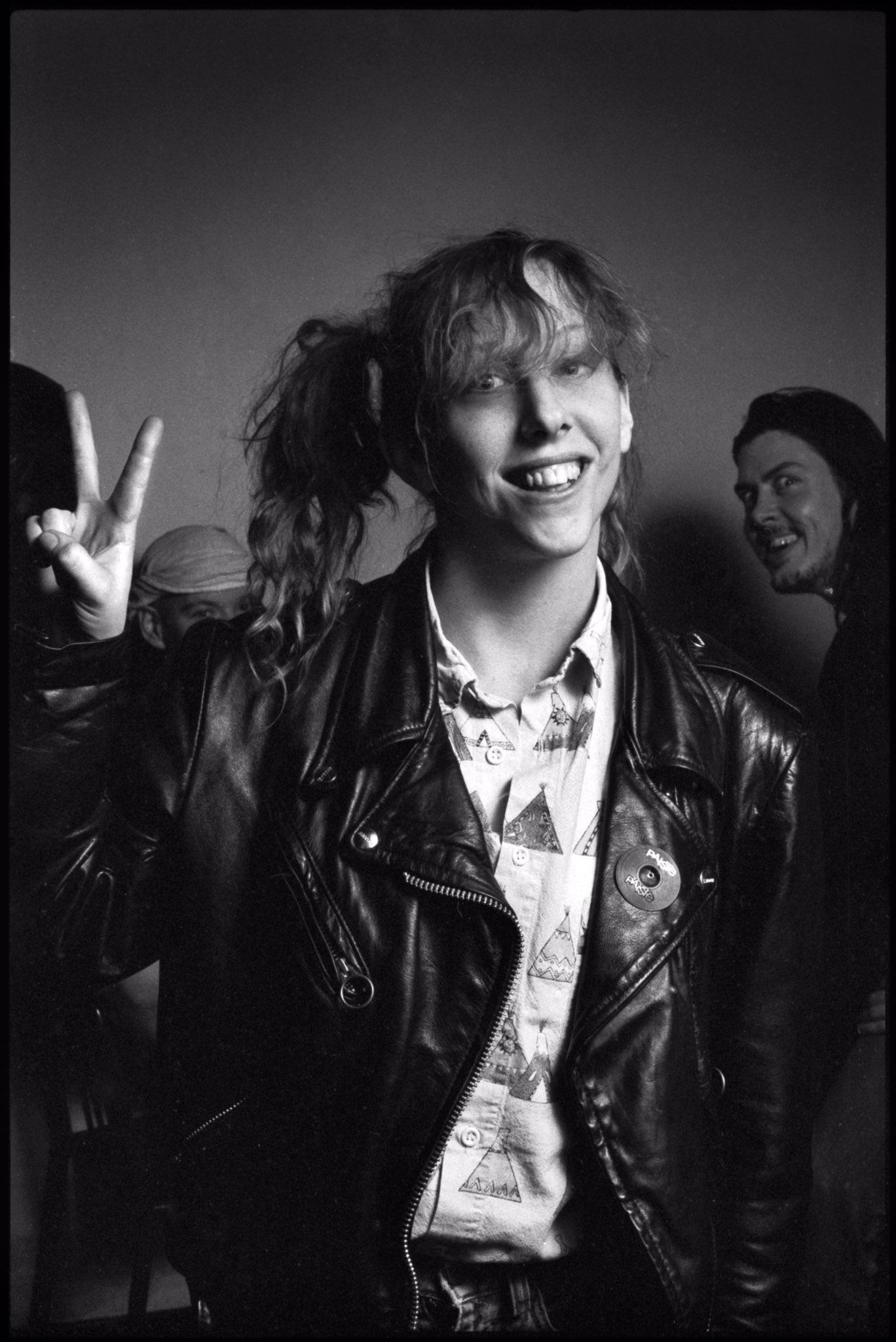
Yeah. Gibby and Paul, again, had the goal of putting out a record on Alternative Tentacles even if they didn't have a band. So I came in towards the end, and I played on the last few songs recorded, which I think were "Barbecue Pope" and then "Wichita Cathedral," maybe one other, but enough to finish the record, because that was cool to finish it, and also around then, right when we finished recording that we got Teresa (Nervosa) to play drums as well. That's when we started doing the two drummer thing, and then the two drums made their debut, at least Teresa made her debut on the "PCPP" EP, which is basically just a live version of the previous EP. So that's that.
Yeah. How did you guys find her?
Again, like the Austin music scene. She was playing with some cool bands. She was playing in a band called The Buffalo Gals. I also believe she was playing in Meat Joy. And again, they were both like arty punk bands that we loved, and she was just cool. I mean, she was a good musician, but also just cool to be around, which, being in a band, that's kind of the key thing. Can you hang with this person? And certainly in the Buttholes, we did a lot of hanging out with each other because we had no choice. We were all stuck together in the same van.
But yeah, I mean, Teresa was an amazing, amazing person. So grateful that she, well, I mean, we were talking about learning how to play. She really taught me how to play, how to play drums, because like when I could play a basic hardcore style, like when we first joined, when I first joined the Buttholes, that's kind of what I was doing. I only had two drums. That's what I was doing. So Teresa heard it and went, “Huh, okay.”
So I was playing what I always played, and then she'd go (sounds out a tribal beat) just on toms only. Beefing everything up kind of gave everything an immediate tribal feel. And I was like, oh, okay, I see what you're doing there. You're making it better. Okay.
And really, when she quit the band, that was kind of my trial by fire because I had to start playing both my part and her part, and it really made me a better drummer. I got to be a lot more ambitious with drumming, but also kind of fit in with what I was into, like bands like Killing Joke or the 60s acid drum style. I think Mitch Mitchell or something like that. It was cool. But Teresa set the example, which I learned from.
Are you in touch with her at all?
Well, unfortunately, she passed away.
I wasn't sure. Sorry, I probably should've known that.
She passed away. I mean, like emphysema. The documentary has been finished for a while. I think it's just now finishing its festival run. So the producers are hoping it will be available in theaters, and they're streaming it at some point this year. But Teresa, every scene she's in, she just kind of steals it. She's so cool. So great.
Yeah, that's awesome. Definitely. So, at some point, I read that in the late ‘80s, the Butthole Surfers bought a house near Austin. Is that true? Like a communal band house?
Yeah. The Buttholes were strange because we were basically a commune, although we didn't think of it that way. We never put the word commune on it. But that's how it was because we were all living together. We didn't have separate individual accounts. We just had one band account, and whatever we needed, whether food or whatnot, would come from that account.
The thing with the band account was that it was there primarily to fund the band. So we'd get better amps, better drums, and start building a light show. Like always, just trying to, we weren't paying ourselves at all. So we toured for a long time just in a van. We finally took a breather outside of Athens, Georgia, where we stopped. We rented a house. We set up our first in-home recording studio, which was the beginning of Locust Abortion Technician. And we began recording that.
We then pulled up stakes, moved back to Austin, set up the studio again at a house in North Austin, and finished Locust Abortion Technician. But we were kind of getting to be known, so it was like, "Oh, there's the Butthole Surfers' house. Let's go say hi!" It's like here you are trying to live and people would be pounding on the door at 4 a.m with some beer, like, let's party! It was like, What the fuck, dude, we're trying to sleep! But invariably there'd be one or two of us who'd be like, yeah, let's party! And it's like, oh man, but anyway, it was kind of nice to get the fuck out of Austin, or at least further away from Austin, so we moved to a city, a little outpost called Driftwood, Texas, which is outside of Austin. It was beautiful, out in the hill country, and really nice. People call it a ranch, but it wasn't a ranch; it was just a house on a couple of acres. It was beautiful; it's really nice. It was remote, and then we rebuilt the studio, and yeah, so we did that.
Yeah. So, I also read that you were the first guy who moved out of the collective?
Yeah. It was a lot, you know? It was a lot. I love my brothers and sisters, but I kind of need my space. When you're always around these guys, year after year, as intense a life as that was, yeah, I was the first one to tap out. So I said, guys, I'm going to move to Austin. I'm going to get a little house, and I've been in that little house for 35 years. So it was like my little sanctuary away from the band's craziness. So yeah, I was the first one to tap out. But I somehow remained in the band despite all that. So that was cool.
So you guys eventually get signed to Capitol Records, correct? In the early '90s.
Yeah. Surprised us.
Were you guys tripping out about like, Wow, we're on Capitol Records! How did that even happen?
Kind of. I mean, on one level, it kind of made some sense only because when it came to, I think [concert industry magazine] Pollstaror something put out the top-grossing live bands for the previous year, and we were the only band on an indie label that made the top 10 or 20, whatever it was. So, I mean, it was like all on an indie level. I mean, so it was kind of cool that people were coming out to see us, and I think executives knew that, okay, there's definitely, these guys have a following.
We were selling records on the indie scene. But we were called the Butthole Surfers, and we made the music, we made the kind of music that we did. It wasn't an easy sell, but I think by the time we were on Lollapalooza, we were on the first Lollapalooza, and I think that it kind of began snowballing. We also got a manager who was tasked with finding us a good record deal because, at that point, we were on Rough Trade, and Rough Trade was kind of sinking. It was kind of iffy. So he was tasked with finding us a record deal, and he was entertaining offers from major labels; Capitol made sense. They offered the best one. But yeah, it was strange.
I mean, it's totally strange to be on Capitol Records. But we told ourselves, you know, as long as we own the band name and the music, we're putting out the music we want to put out. If someone wants to give us better distribution and slap their company logo on the back, that's fine. And really, that's kind of what happened for the first record. And it got even sillier because they got John Paul Jones (from Led Zeppelin), whom we asked for, and got to produce the band.
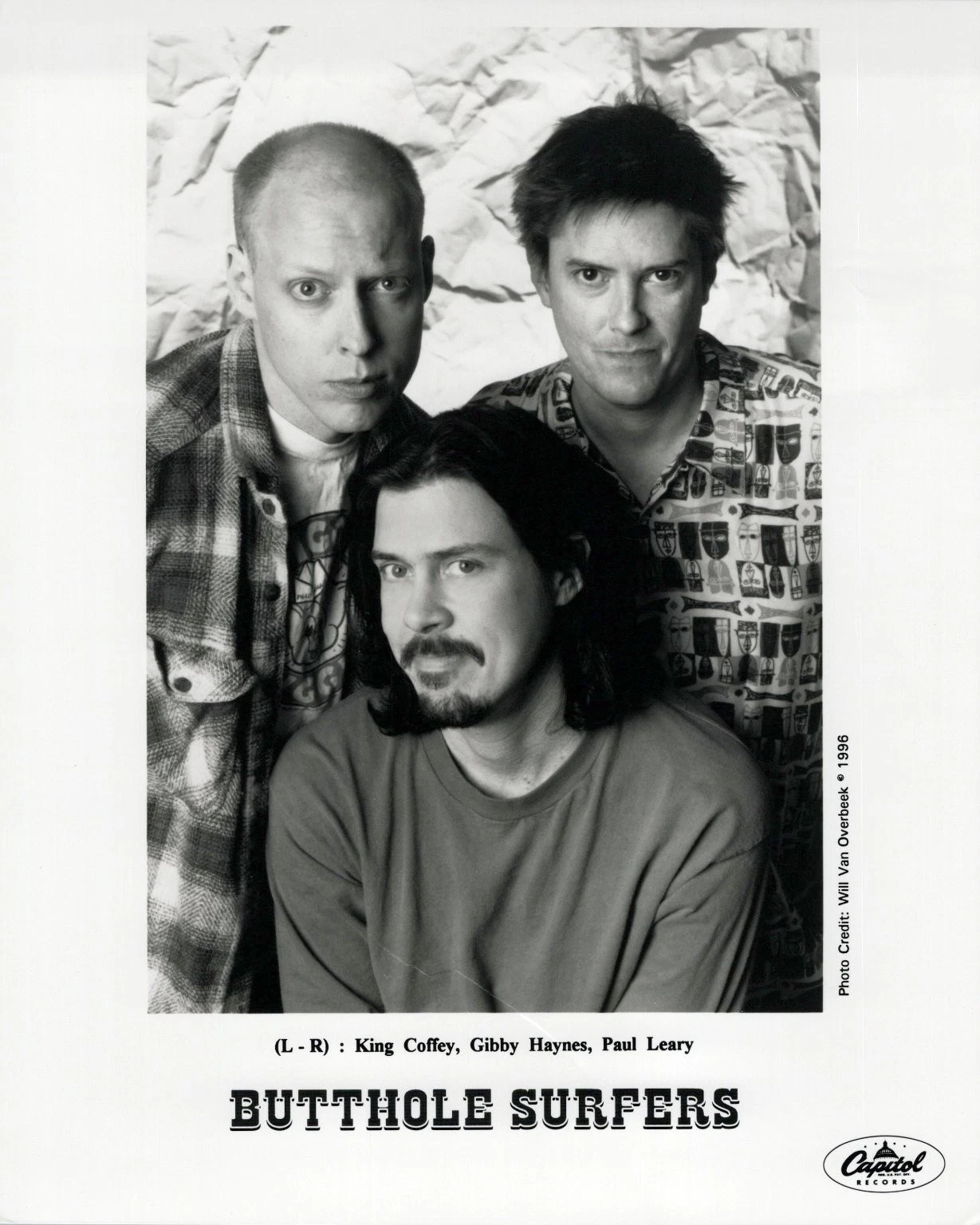
So you guys asked for him? That was going to be my question. You were like, "We want John Paul Jones?"
Well, I mean, various producers were pitched to us. Some were cool, some were like, what?? John Paul Jones was pitched to us. We're like, John Paul Jones?? Why would he want to do this? But we talked to him, and he was cool, and it turned out he was actually the perfect guy to do it. One, because he's John Paul Jones, that was kind of cool. He was a really hard worker.
He got his start as a studio musician in the '60s. So he takes being in the studio really seriously. And he wasn't out to change the band or anything, but he was out to kind of edit some songs down or try to make each song as concise as possible, and really present the song as well as it could be presented. And he did a great job. I mean, he worked hard at it. He had to quit drinking afterward because we ran way too high a whiskey budget, and apparently, it took a toll on his liver and kidneys. But hey. (Laughs)
But so he was a real producer, he had ideas, and he was hands-on?
Yeah, he did a great job. he really did.
That's cool. So, this brings me to the After the Astronaut situation, which is coming out now, the way it was supposed to be right, back in 1998? Apparently, Capitol Records decided they didn't want to release it, right? After they heard it, but they didn't check in on you guys while you were making it or anything like that?
Yeah, let me backtrack a bit. We made that first record with John Paul Jones. It was fun, it was a rock record, and it had a minor hit with "Who Was In My Room Last Night."
Is that the one that had the Donovan cover on it, too?
That was the last Rough Trade record, called piouhgd. So yeah, I mean, I guess like single-wise, it kind of went from "Hurdy Gurdy Man" to "Who Was In My Room Last Night" to eventually the next single off the next album, which was "Pepper." And the thing was, "Pepper" to us was kind of a, we all liked the song. It was kind of reflective of what we were listening to at the time. We were into stuff like Massive Attack, Tricky, and trip-hop in general. But it was just one song off the album. It wasn't like our new sound or anything. It was just a little experiment that we tried. It was fun. It was cool.
Unfortunately, that became a hit, and unfortunately, Capitol Records thought we could be sitting on "Peppers" all day long. When, in fact, that was just a fluke song by an art-punk rock band. So I mean, none of it made sense. But we thought, okay, if you like "Pepper" so much, we're going to make this next record all samples, all loops, and we had a great time. I mean, basically at that point, it was just the three of us, Gibby, Paul, and me, and we all had identical digital recording systems. So we could swap files back and forth.
I was really into sampling, drum loops, and just the whole loopiness of it all. And it was really cool. The album, After the Astronaut, was us playing with every crayon we had and just making a cool record. To me, it kind of reminded me of the time of Locust Abortion Technician, when having access to an 8-track machine felt like a new toy. So let's just have fun with it and let's play with it. We'll create a few songs and some soundtrack-type stuff. We'll record farts, we'll record cows, we'll record everything, and have fun with it. That's kind of what it felt like with this album. There were a few pop songs, but there were also songs like "I Don't Have A Problem With It," which was me spending hours listening to other people's phone calls.
I saw the blurb about that. How were you actually doing that? You had a machine that you could cut into people's calls, or you had recordings that somebody gave you, or something?
No, no. I was listening live and recording it all on a DAT. Back then, some phone calls, not all of them, but some phone calls, were broadcast over a radio frequency, and if you had a full-bandwidth radio, you could tune to those frequencies and pick them up. You never knew who you were listening to. It's like, I didn't know whose phone calls I was hearing, and usually, you only heard one side of the conversation, but still, they were out there. And maybe we all have a voyeur tendency about us, but maybe I do especially, but still, this is kind of fascinating.
It's like, I just record all this stuff, and it was apparent to me that people are either venting about how sad they are or how horny they are. People are either looking to cry or to have sex. Those are basically the two kinds of phone calls, and to me, this is Austin. This is a snapshot of the city at this place in time. Every voice on that song. was recorded over a one-week period in Austin over stuff that was floating over my house, you know? So there you go.
Was anyone ever like, "Hey, that was me or anything like that?
Not yet. Hopefully it'll stay that way.
Oh, yeah, that's right because I guess it hasn't come out yet.
Yeah. We'll see. I don't know how they can prove it. "Hey, that's my voice!" and why anyone would admit to it at this point. I don't know. We'll see.
So everything we just said is obviously true, but I would also say that the song "Jet Fighter," as you said, includes a couple of pop songs, and "Jet Fighter" could be a successor to "Pepper." You know what I mean? I think this shows the short-sightedness of major labels, where they were like, the rest of it's too weird! I mean, they could sell the album with two or three hits. You know?
Well, who knows what would have happened to be honest, because Capitol initially was going to put out the record. They put out advanced CDs to the press. It got reviewed in Spin magazine.
The whole album, not just a couple of singles?
Yeah. I mean, it had a slightly different album title called The Last Astronaut; even the band wasn't sure what to call it, but it's the same record. So Capitol was going to release it. What was unknown to the general public was that the band and management were at war, and we weren't getting along with the manager.
It sure seemed like the manager kind of poisoned the well for us at Capitol Records. I think at that point we became too much of a headache for Capitol Records, and then they said, No, we're not going to release it while you guys are fighting and we're in lawsuits with each other. It's understandable. But by the same token, they wouldn't release us from the contract either. So they own their record. They wouldn't release it. But they would not give us permission to release the record elsewhere either. So we were doomed. And they weren't about to give us money to record another record, so we were totally, totally fucked.
Yeah.
So we spent two years trying to find a way to get out of this conundrum with Capitol Records. Finally, Hollywood Records came in, bought us off the contract, which got us off Capitol, so we could put out the record. But Hollywood didn't hear the hits, or rather, they wanted to have more hits. So we then spent like another two years, it felt like, trying to come up with a fucking hit to satisfy the label, turning into company men. And then at its nadir, Kid Rock sampled one of our songs.
Oh, really?
Yeah. And instead of just paying us money, the label thought it'd be a really smart idea to get Kid Rock to collaborate with us on a song.
What?
We were like, and at this point, you know, we were so screwed. You know, like, you guys own us, and we want to carry on as a band, so, okay, I guess we'll work with Kid Rock. And at one point, when I realized I was playing tambourine on a Kid Rock song, I only then realized, what the fuck has happened here? We used to be this arty punk rock band, now I'm playing on a Kid, I'm playing tambourine on a Kid fucking Rock song.
It all happened so gradually. It's kind of like the cliché of putting a frog in boiling water: it'll immediately jump out, but if you slowly raise the temperature, the frog doesn't realize it and stays there until it dies. And that's kind of what it felt like. Only then did I realize the water was boiling. So it was so fucked. I think that point finally killed me; I don't want to say "music" for me, but I certainly feel like the fun of being in a band, to a large degree. So I think, so yeah.
Oh wow. I had no idea. That's hilarious. What song did he sample from you guys?
"Sweat Loaf," which is a rip-off of Black Sabbath. Maybe it's easier to, maybe it's cheaper to sample Butthole Surfers than to sample Black Sabbath. So there you go.
Yeah, wow. So you're also credited as "drum machines" rather than a drummer on this album. Are there no live drums on it?
I don't believe so. It's not so much drum machines as it is samples.
That's what I was going to ask you: what machines you were using, because the email I got says "drum machines."
Yeah, well. And there are probably a few kicks and snares augmented here and there with triggered beats, but by and large, it's sampling. At the time, I was really into the whole Terminator X-style of heavy production, like let's say Public Enemy. It's a whole dense style rhythm and sounds coming and going everywhere to me was hypnotic and kind of psychedelic in its own way, but yeah, I loved it, but also kind of felt sorry for Paul. Instead of getting, like, one beat, I was giving him, like, 50 beats, and he was trying to put it all in its place and make it all make sense.
So you would hand him tracks that you made and stuff like that?
Yeah, like loops like, Paul, try these 12 together. It's like, yeah, I hear it, but...Okay. He would then try to make it a little more concise.
That's cool, actually. That's a pretty cool approach. I was going to ask you how Hollywood Records may have treated you as opposed to Capitol, but it doesn't sound like it was all that good.
Well, I mean, I'm grateful to Hollywood.
Well, right. I guess they bought you out of the Capitol.
Yeah. I mean, it's like because Capitol wanted to end the band. You know, we kept going. I mean, it involved selling your soul. You're playing on a Kid Rock song, but at least Hollywood got us off the contract, and to their credit, After the Astronaut, they gave us permission to release the record because most of that is what Hollywood Records put out, and Hollywood actually bought off Capitol, every song that's on After the Astronaut. They said if you guys want to put it out, you guys can, and free and clear, so I have no beef with Hollywood Records. They really made After the Astronaut possible in a way because Capitol tried to kill it, and then they came to the rescue and gave it back to us. So I'm thankful for that.
That's cool, for sure. So some of the same songs are obviously on the record Hollywood released (Weird Revolution), and they're the same versions, or are they different versions on that?
They've been remixed. I think it sounds tighter, but about three-quarters of the album is the same songs, though they've all been reworked to some degree, with remixing and stuff. The songs that Hollywood took off were the songs I thought made the album cool. So, you know, songs like "I Don't Have a Problem With It," and I mean, just the weird offbeat tracks that I thought made the album interesting, got eliminated on the Hollywood Records version of it. So while none of us were happy with Weird Revolution, we were happy with After the Astronaut. This is the album that we wanted to put out in the first place. So I'm glad it's finally coming out.
Yeah, that's awesome. Definitely, man. I was listening to it in the shower this morning. It starts off with the first few songs being like songs, then it gets weirder and weirder as it goes on. It's really cool, you know?
Oh, cool. Thank you. I mean, I'm glad somebody might think that. I mean, but, you know, because it was kind of like an art project in a way. We enjoyed working on it, but, you know, it's a different thing. You know, there's no way that we can evaluate it, you know, because we're just way too close to it. So thank you for telling me that.
Yeah, of course, man. So eventually the Butthole Surfers kind of stopped. I mean, I don't know if there was any big announcement that you guys were quitting or anything. I don't think you ever officially said you guys were done. Right?
Yeah. What do we call it? We call it a hiatus or something? I don't know. Gibby and Paul have been in the band since '82. I joined in '83. And it had been a long time since anybody had been together. It was a long marriage. It was a long time. And I think we all just kind of needed a break. We all kind of needed to get on with our lives. But we still remained friends. We had no beefs with each other. We were just all kind of exhausted, that stint on Hollywood Records and the struggle it took to get that record to come out. I think it took a chunk out of all of us, and I think all of us kind of wanted a breather.
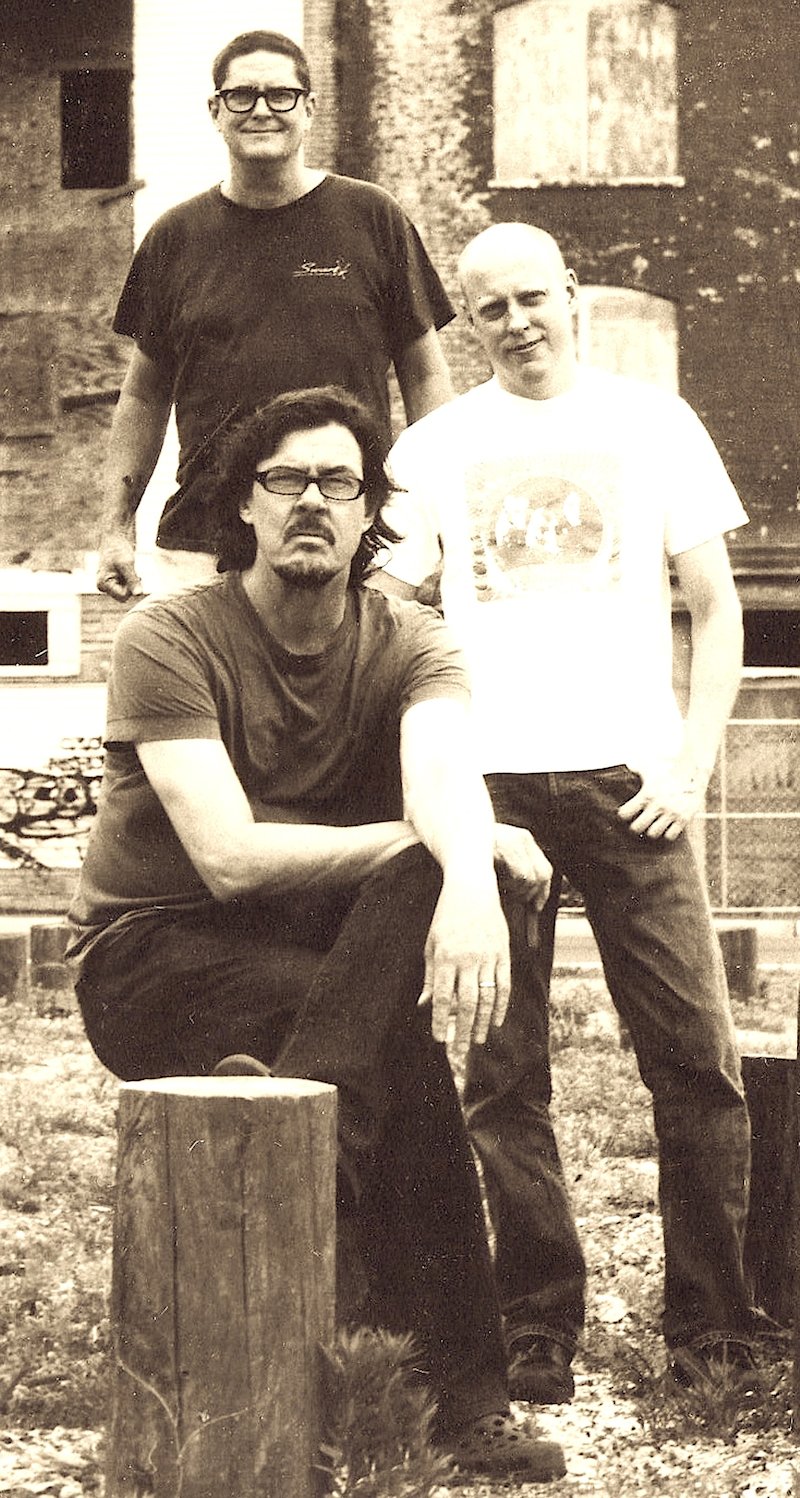
Makes sense, I hear you, man. Are you currently drumming in any bands or anything like that?
I'm playing in a band called USA/Mexico, which is literally 30 beats per minute. I have a metronome, and it's 30 beats per minute. It's like one beat every two seconds, and that's barely like living. You're barely living if your heart's beating at 30 beats per minute, which means like (does a really slow beat) I mean, maybe it's akin to a band like Sunn O))) or something like that. It is the hardest drumming I've ever had to do to play with that much restraint because I am a monkey drummer.
I like to go fast, but to play that slow feels like you're dying, and it's so excruciating, even though you're barely moving, but because I hit it hard, I kind of throw every muscle I have into it, and there's one beat, and then you have to wait another two seconds before you get to do it again. But it's fun. It's a challenge.
Yeah, that's cool. Are there going to be any shows with Butthole Surfers for this?
Probably not. We've learned to never say never. None of us foresaw us playing three songs in L.A. this year. Yeah, this year, when the movie made its debut, West Coast debut to kind of help out the director and the producer. For the Q&A, we just played. We just played some music instead. None of us imagined doing that, but I can't imagine going on tour.
Paul has told me many times that at this point in his life, he's happy and playing in the Butthole Surfers risks making him unhappy. Which I understand. And none of us wants to make Paul unhappy. So that's fine. We all get it, you know?
Yeah, that's cool. That's good, man. Well, alright, I guess I'll let you get on with your afternoon there. It's about to be evening here on the East Coast, almost, but thanks for spending some time with me, man.
I appreciate that. Enjoyed speaking with you.
***
After the Astronaut will be out June 26 via Sunset Blvd Records (pre-order).
Butthole Surfers on social media: Facebook | Instagram
Tagged: a hardcore conversation, butthole surfers