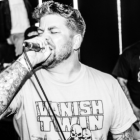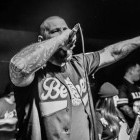
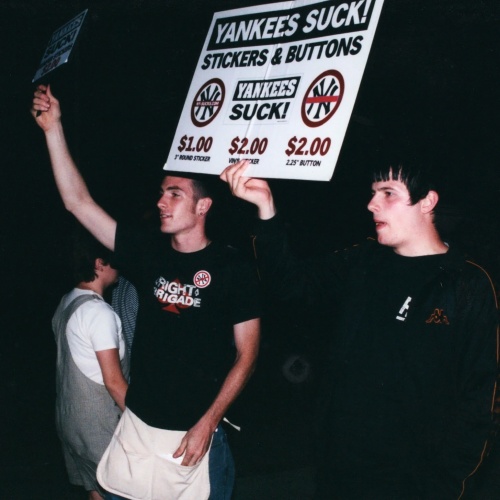
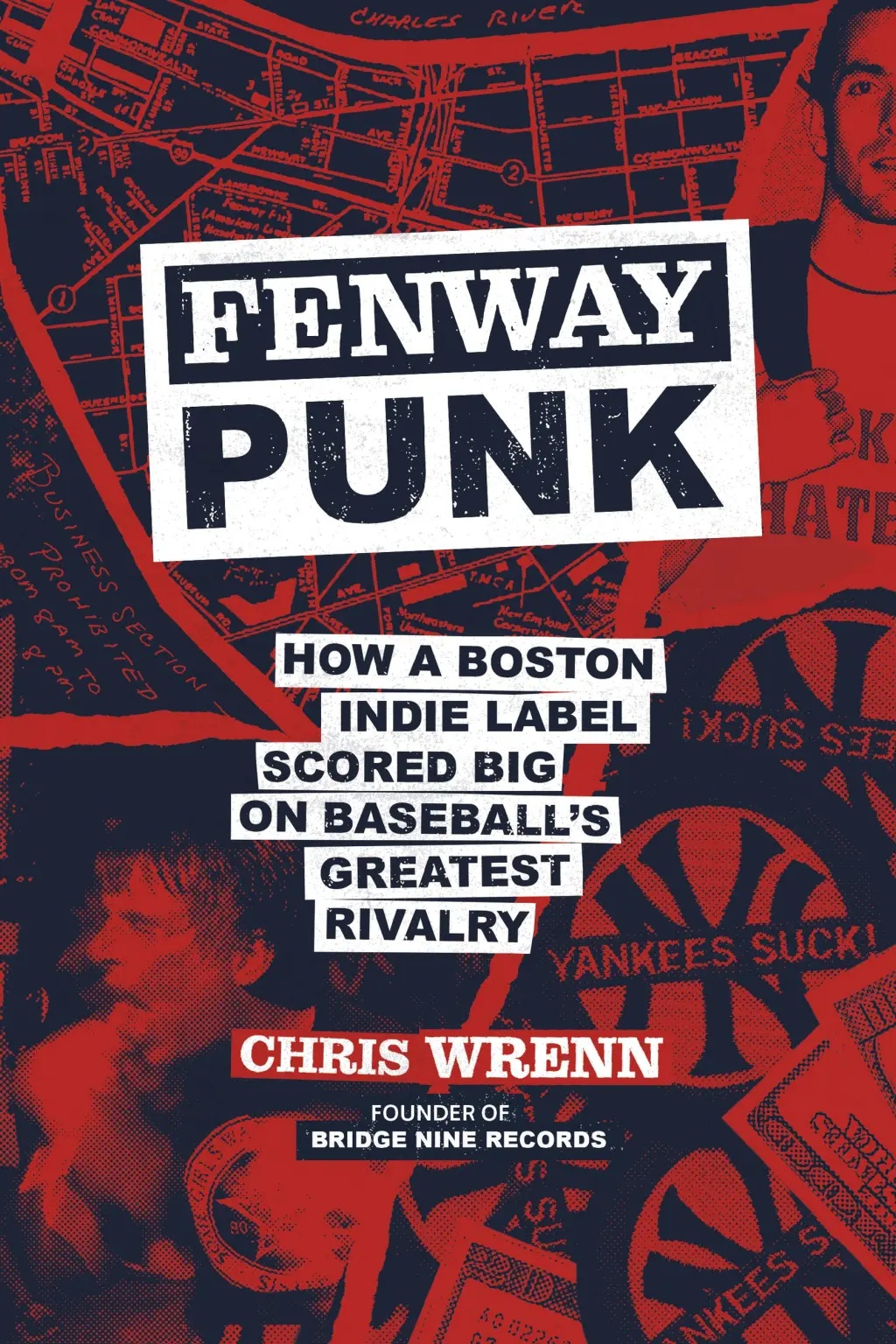
Bridge Nine Records is the label responsible for bringing bands like American Nightmare, Have Heart, and No Warning to a wider audience. Before the label earned its reputation in hardcore, its founder, Chris Wrenn, was supporting his vision by selling "Yankees Suck" shirts outside Fenway Park.
In his new book, Fenway Punk: How a Boston Indie Label Scored Big on Baseball's Greatest Rivalry, hardcore lifer Chris Wrenn tells the unlikely story of how a crew of Boston hardcore kids turned the city's hatred of the New York Yankees into a business that generated "six-figure summers," helping launch Bridge Nine Records and, eventually, his Boston sports apparel company, Sully's Brand.
The book traces Wrenn and his friends' run-ins with police, rival vendors, and local gangs, but also looks at what they learned about entrepreneurship, friendship, community, and the DIY ethic that runs through hardcore.
As a lifelong die-hard Mets fan and Yankees hater, I was especially intrigued by the book. In the following interview, I talk with Wrenn about how he built the operation, those friendships that influenced his path, and how someone from the Massachusetts hardcore scene ended up running both a label and a sports merchandise business.
We also chat about Bridge Nine’s beginnings, the support he got from Red Sox players, and whether his feelings about the Yankees have changed.
What do you attribute your hustle instincts to? Was it something you always had, or did you have a watch-and-learn experience kind of thing?
It was a little bit of both. I wanted to make my own money from an early age, so I looked for ways a pre-teenage kid could do that. How else was I going to pay for that monthly Columbia House cassette subscription after I got my twelve tapes for a penny?
I did yard work for neighbors, but it wasn’t just through word of mouth. At 13 years old, I made flyers and went door to door to hand them out. I was able to put myself out there early on in search of opportunity.
With Bridge Nine, I wanted to start something, and I watched and learned where I could. My friends were all doing cool things: starting bands, making fanzines, booking local shows. There must have been something in the water at my high school because the instinct to get involved ran strong.
One aspect of the book I enjoyed was reading about so many old friends and how they figured into both your personal and professional history. It’s been said that getting into business with friends is an unwise decision. What’s your take on that? Did it cost you many friendships along the way?
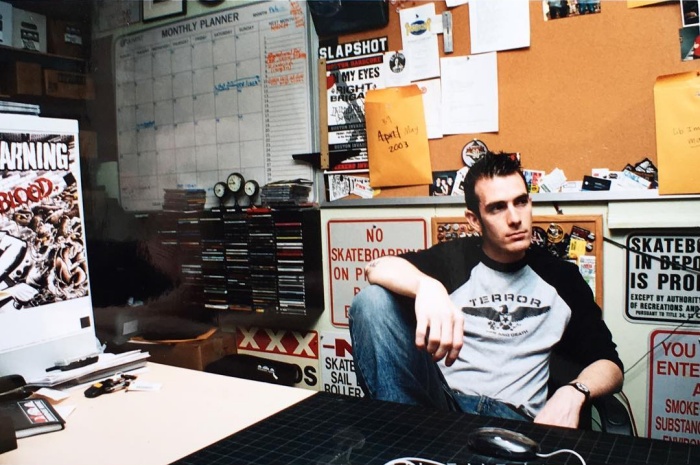
Most punk-based businesses are passion projects, not money makers. You don’t release indie records on a DIY label to earn a living. You do it because you love a band and want to help get their music out, and you try to make your money back so you can keep doing it.
When you’re younger, you’re one of the people in the van with the band, and if you weren’t close when you started working with them, you end up being friends as you get to know each other and share the core moments that inevitably come.
I don’t feel like working with friends cost me many friendships, but it is very odd to have a financial component between you and many of your friends. I have had some people I thought I was tight with fade away quickly after they moved on or their band broke up, but I don’t sweat it. Everyone has a lot on their plate.
I’ve also made lifelong friends with people in bands that I worked with or people that I met on tour decades ago. And I’ve had the opportunity to collaborate with people repeatedly over the years. I feel very lucky to have been able to connect with as many good people as I have because of Bridge Nine.
The book paints a vivid picture of the hustle, chaos, and occasional danger surrounding the “Yankees Suck” operation—including cops, gangs, competition, and internal conflicts. That one story about one of your workers having her merch confiscated outside of Fenway, and then calling you in tears, stood out to me. You made a phone call, and the merch was delivered back to the steps outside her apartment. But what impressed me the most was that she went right back out there to try and sell everything.
The key to any success that I’ve had has been the relationships I’ve made. Your friends and the people you know who respect you will go out of their way to help you. That is the most important resource that you have.
I am usually down to help people whenever I can, but if someone I know and respect needs something, I will drop whatever I’m doing to assist. I am lucky to have a lot of those people in my corner, too. Treat people well, go out of your way to help them, and it will come back to you. We can only do so much on our own. We need a village to do the really cool stuff.
READ ALSO: Best Hardcore Albums and EPs of 2026 (So Far)
How much flak did you get from the bands on Bridge Nine, feeling that you were spending too much energy and time on the sports hustle? How about people like Rama from Big Wheel Recreation and Jacob from Deathwish Inc.? Did they get it, or were they critical of that side of what you were doing back then?
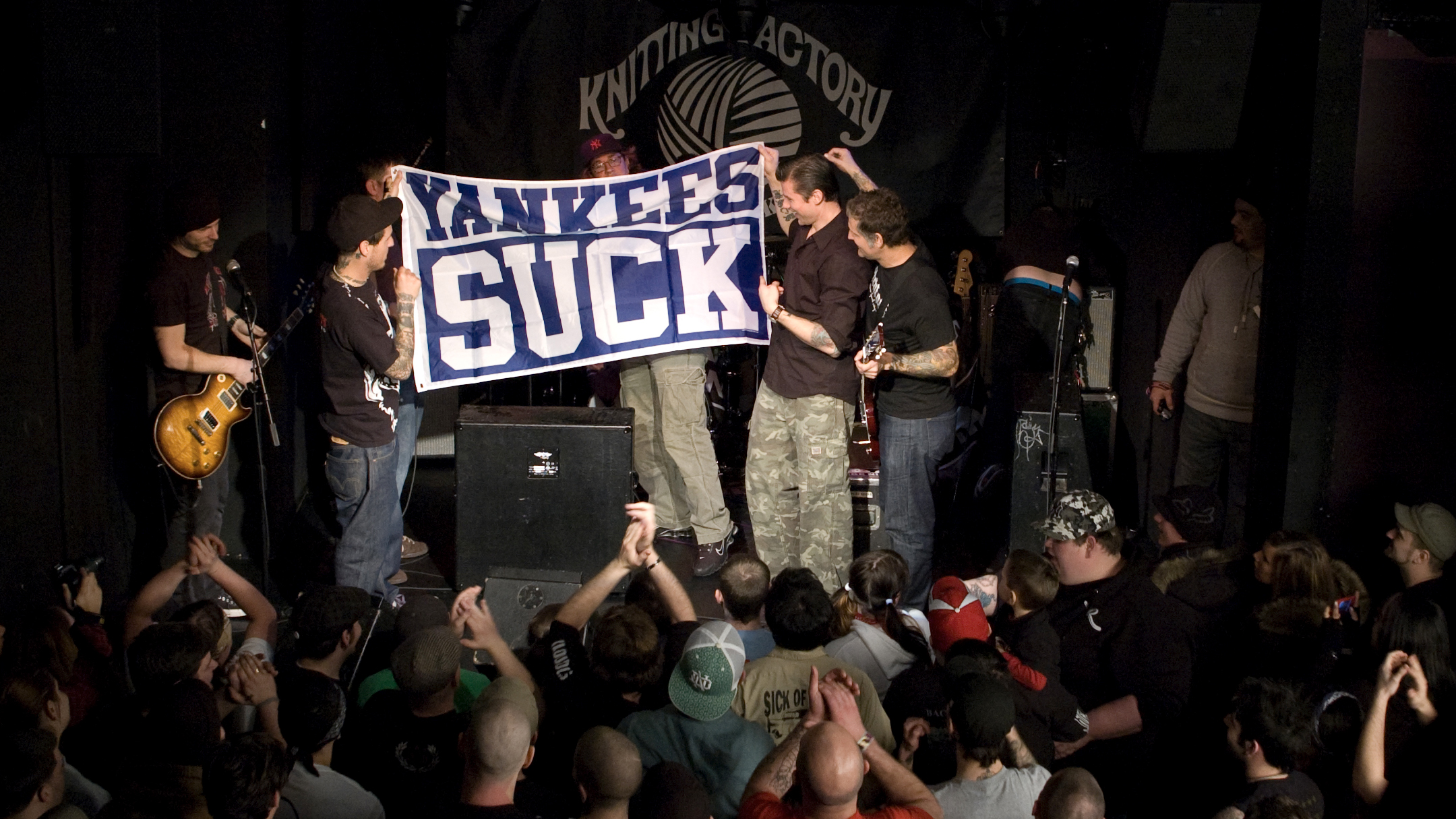
I didn’t get much flak, though I did have a funny back-and-forth with the H2O guys when they were filming a music video for the Nothing to Prove album in 2008.
They were filming a live set in a club in NYC, and I had a "Yankees Suck" flag folded up in my courier bag. I think I had it as a goof, and between takes, Toby started making cracks about how they were a New York band on a Boston label that made Yankees Suck merch, and I had a good laugh. They were good sports about it.
All of the New York bands were, and that’s the great irony of all of this. I may have worked with more bands from Massachusetts overall, but I’ve released more records for New York bands since the Yankees Suck hustle started—twenty-five just between H2O and Agnostic Front alone.
Rama Mayo from Big Wheel respected the hustle. His label was an inspiration, and his mentorship while I worked for him helped me step up my own efforts early on when I needed to. He’s always on the go, dreaming up cool stuff and making it happen, so he definitely got it.
I’ve had some naysayers and haters, but that comes with the territory. I had one guy criticize me years ago to mutual friends, saying that Bridge Nine wasn’t a real business because it was kept afloat by sports-fan money.
I don’t understand his point, because every growing business needs to find money to fund its growth. I found it one way, but the next person might get it from a bank, a relative, or an investor.
My way at least came with an interesting story!
Does your hate for the Yankees still burn as brightly and as strongly as it did back then?
The hatred definitely got tempered over the years, but that can happen after winning four World Series championships in the same window where the Yankees only won once, ha!
This is also part of the evolution of Fenway Punk. When we started, it was 24/7 Yankee hatred. Over the years, I focused less on the rivalry and talking smack about the Yankees and more on what made Boston beloved and exciting.
If you had to pick one Red Sox player who was the most vital to your business, who would that be? Also, who would you say is the biggest Red Sox fan of all the musicians you’ve worked with through Bridge Nine?
Early on, it would have been David Ortiz. I made the first "Big Papi" T-shirt in 2004 when the newspapers were spelling it three different ways.
Also, Johnny Damon. I sold mountains of "Damon Is My Homeboy" shirts, and when he left the Red Sox and went to the Yankees, I sold even more T-shirts talking smack about him.
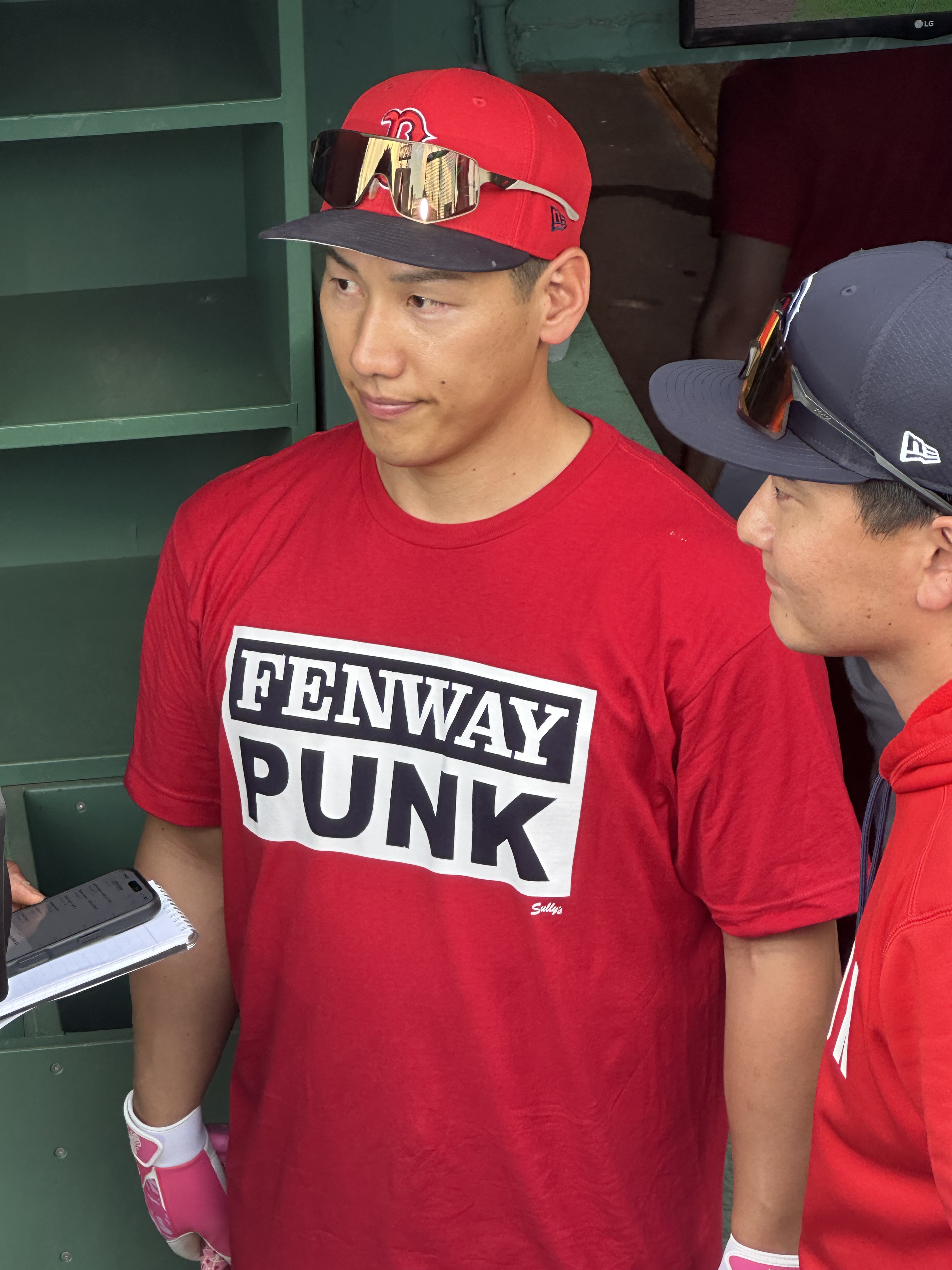
Sully’s has received a lot of love back over the years from individual Red Sox players. In fact, tonight, as I was answering this interview, Red Sox pitcher Payton Tolle wore a Fenway Punk T-shirt on live TV during his postgame press conference. He did it last week, too, which is pretty wild.
This season, Red Sox outfielder Jarren Duran and designated hitter Masataka Yoshida have also been spotted wearing Fenway Punk shirts on the field at Fenway Park during batting practice, which is incredibly rad.
The most love that I had from a Red Sox player, though, was Joe Kelly back in 2018, when I made "Joe Kelly Fight Club" tees after he’d started a bench-clearing brawl with the Yankees early in the season.
The shirt went viral, was later endorsed by Joe, and helped raise a lot of money for his charity. His "Fight Club" was a storyline all season long through their World Series win in Los Angeles.
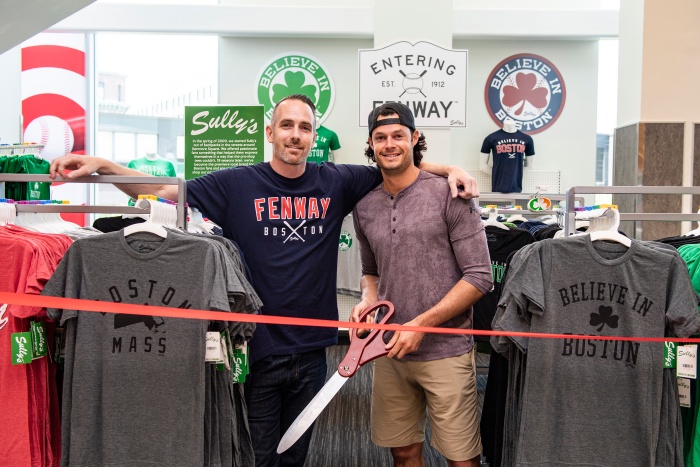
Sully’s had a ceremonial grand opening for the brand’s section at the Target store next to Fenway Park that season, and Joe came and helped cut the ribbon. He also brought me a signed, framed print of a photo of his fight, with "To Chris, President of the Joe Kelly Fight Club" written on it.
An absolutely first-class person.
How about the bands on Bridge Nine that share your love for the Sox?
Being a Boston-area label, we’ve got a lot of Red Sox fans on the roster. I’d say some of the biggest fans have been Derek Archambault (Defeater), Matt Pike (Some Kind of Hate), Tommy Von (Cops and Robbers), and Pat Flynn (Have Heart).
***
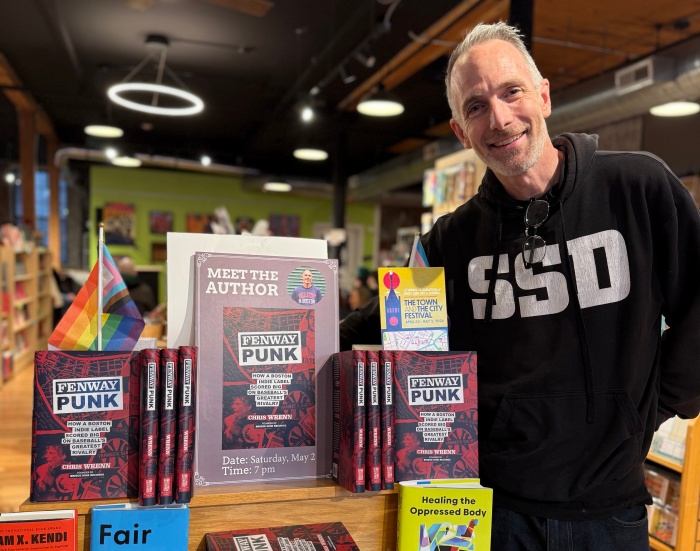
Fenway Punk: How a Boston Indie Label Scored Big on Baseball's Greatest Rivalry is available now at the B9 store, Amazon, Draw Down, and other book retailers.
Tagged: book